
TokenPost.ai
Legendary U.S. value investor Jeremy Grantham has argued that Bitcoin (BTC) will “gradually disappear,” reigniting a long-running debate over whether the world’s dominant cryptocurrency can mature into a durable store of value alongside gold. The question matters because markets are increasingly being shaped by a shift toward software, data, and tokenized assets—an evolution that could structurally raise demand for a ‘digital-native’ alternative to legacy safe havens.
At the core of the discussion is a deceptively simple prompt: why is gold valuable? While gold still has industrial and consumer uses—from electronics to dentistry to jewelry—its modern monetary relevance is widely seen as less about utility and more about ‘historically institutionalized consensus.’ Over thousands of years, gold became intertwined with wealth, sovereign power, and eventually central bank balance sheets. Its status as a reserve asset and crisis-era hedge is not the product of a single feature, but of time, repetition, and system-level adoption.
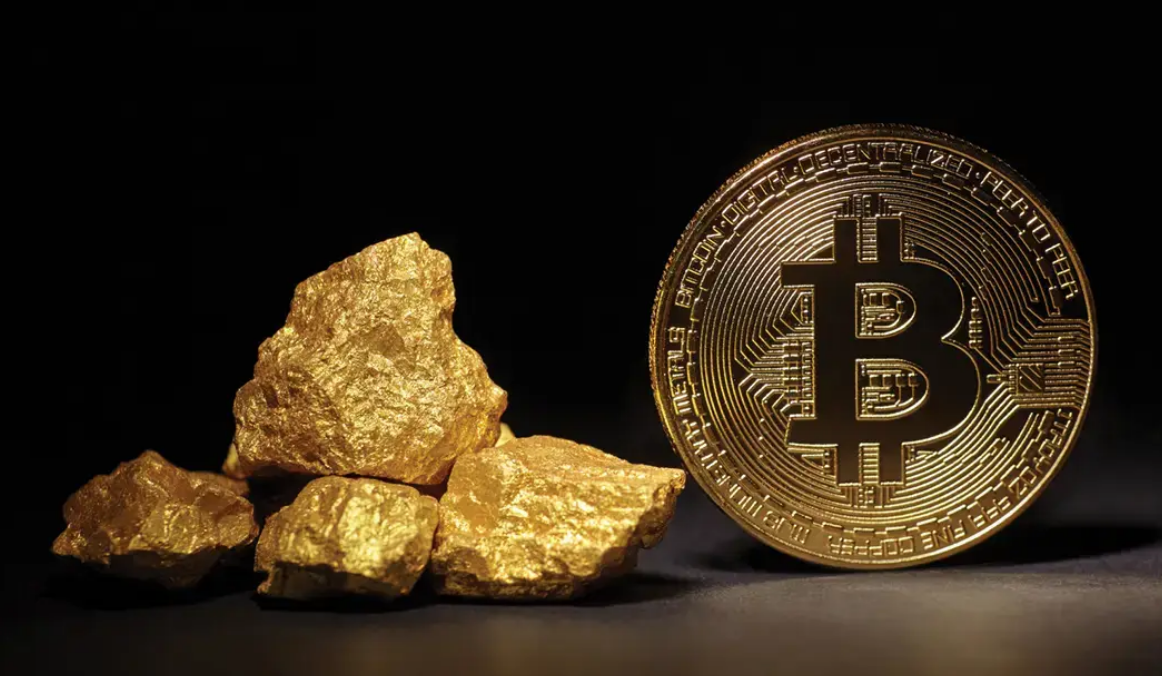
That historical framing has become a yardstick for Bitcoin, which emerged in a radically different environment. As financial activity migrates toward digital rails, proponents argue that a borderless store of value that depends less on banks and national settlement networks is not just convenient but increasingly necessary. This is where Bitcoin earned the moniker ‘digital gold’—and where skeptics, including Grantham, question whether the analogy is durable or merely a speculative narrative.
From a design standpoint, Bitcoin does share key traits with gold. Its supply cap is fixed at 21 million coins, and—unlike fiat currency—no central authority can expand issuance at will. As long as the protocol and network remain intact, scarcity is enforced at the code level. The blockchain also provides transparent verification of authenticity and transaction history, reducing counterfeiting risks in a way that differs from physical gold, which relies on assays, custody standards, and supply-chain validation.
Bitcoin’s advantages become clearer when measured through practical features of a store of value. It is highly portable and divisible: while moving and securing gold involves logistics, insurance, and physical risk, Bitcoin can be transferred globally in minutes with an internet connection. And while gold is difficult to divide into very small units for exchange, Bitcoin can be split down to eight decimal places, enabling fine-grained storage and settlement. In that narrow functional sense—scarcity plus transferability—supporters contend Bitcoin may perform ‘gold’s role’ more efficiently than gold itself.